
The SR-22 Requirement Texas ODL Applicants Miss
You received court approval for an Occupational Driver License to drive to high school or community college. The court order lists your approved school hours and routes. Then your parent called the insurance carrier to add the ODL endorsement and learned SR-22 filing is required for every ODL holder in Texas — not just DUI cases. The carrier quoted $280 per month for liability coverage with SR-22, nearly triple the family policy rate before suspension.
Texas Transportation Code §521.246 requires every ODL holder to maintain SR-22 financial responsibility certification regardless of what triggered the original suspension. Unpaid tickets, points accumulation, uninsured driving, failure to appear — the SR-22 mandate applies universally. The filing itself costs $25–$50 annually through most carriers, but the premium increase for drivers under 21 with a suspended license history adds $150–$300 monthly to baseline liability rates.
Compare car insurance rates in your state
Get quotes from licensed carriers — no obligation, no spam, results in minutes.
Get Your Free QuoteTexas Student ODL Premium Range
$220–$380/mo
Monthly cost for minimum liability coverage ($30,000/$60,000/$25,000) with SR-22 filing for drivers age 16–21 holding Occupational Driver Licenses. Range reflects clean-record ODL holders at the low end and DUI-suspended student drivers at the high end.
Carrier rate filings analyzed Dec 2024–Jan 2025, TX DOI
Why School-Purpose ODLs Carry the Same SR-22 Rule
Texas does not tier SR-22 requirements by suspension cause or ODL purpose. The statute views SR-22 as proof of financial responsibility tied to the restricted license itself, not the violation that triggered it. A student with an ODL for unpaid speeding tickets faces the same SR-22 filing mandate as a student with a DUI-related ODL.
This creates cost confusion at application. Many families budget for court filing fees ($150–$300 depending on county), ignoring the insurance component until the carrier conversation. The SR-22 filing fee itself is minor. The premium penalty is structural: carriers classify any driver holding an ODL as high-risk regardless of underlying cause, and student drivers under 21 already carry the highest base rates in Texas even before suspension history enters the equation.
The court order does not mention SR-22 directly because that requirement lives in the Department of Public Safety reinstatement framework, not the judicial ODL approval process. Families discover it when they contact their carrier to report the court-ordered license, triggering the SR-22 filing workflow automatically.
Texas DPS will not issue the physical ODL card until the SR-22 certificate reaches their system electronically — court approval alone does not produce a drivable license.
How SR-22 Filing Works With School-Route ODLs
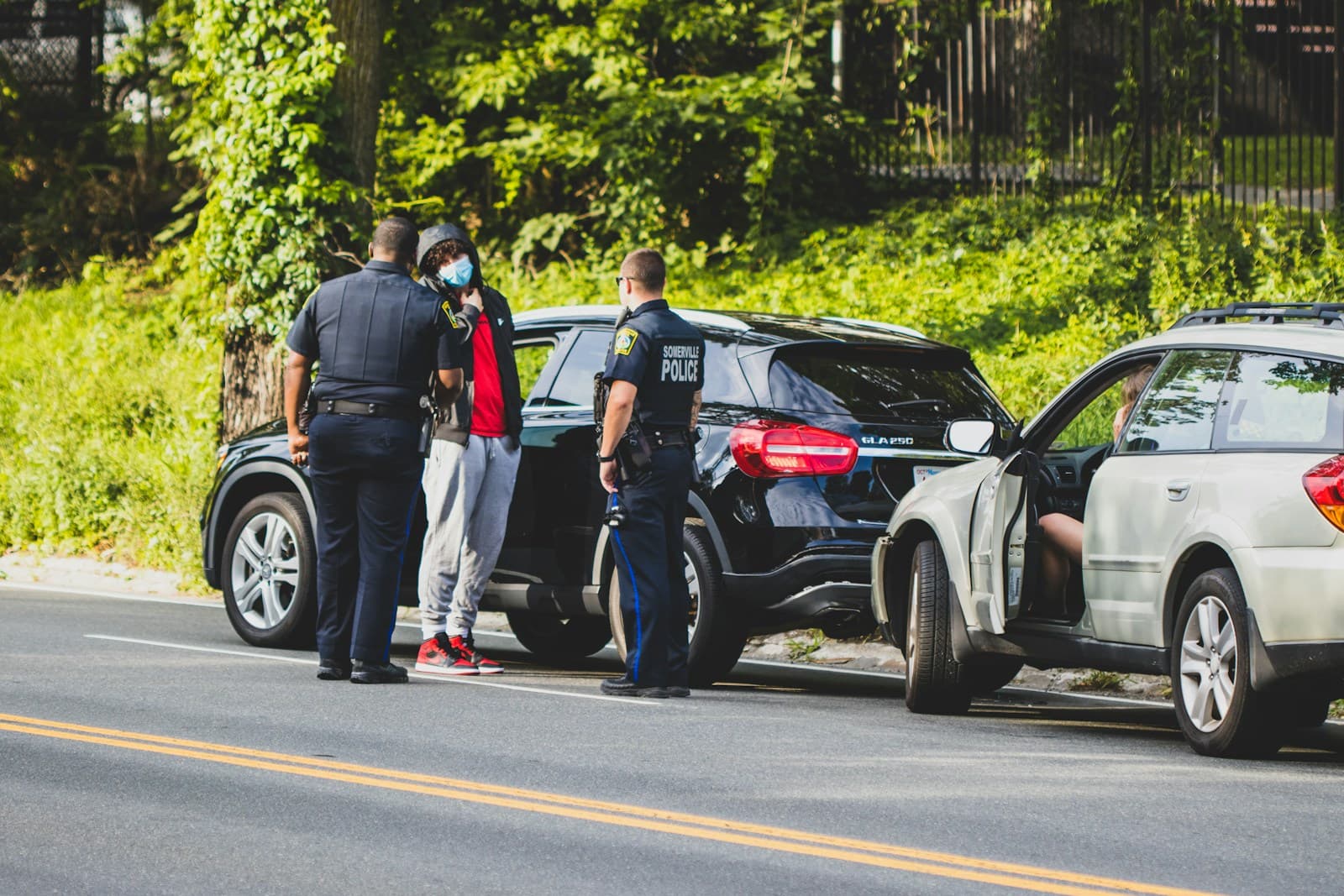
After the court issues your ODL order, you provide a copy to your insurance carrier. The carrier adds an SR-22 endorsement to your policy (or writes a new non-owner SR-22 policy if you do not own a vehicle) and files the certificate electronically with Texas DPS. The SR-22 filing fee ranges from $25 to $50 annually depending on carrier. Most carriers require the full annual SR-22 fee upfront even if your policy renews monthly. DPS processes the filing within 1–5 business days. Once DPS confirms receipt, you can visit a driver license office with your court order to receive the physical ODL card.
The SR-22 filing must remain active for the entire ODL period. If your policy lapses or cancels for any reason, your carrier notifies DPS electronically within 24 hours, and DPS suspends your ODL immediately. Reinstatement after an SR-22 lapse requires a new filing, a new $125 reinstatement fee, and potentially a new court hearing if the original ODL order expired during the lapse. Most carriers send lapse warnings 10–15 days before a missed payment triggers cancellation, but the notification goes to the policyholder of record — if your parent holds the policy, make sure they monitor renewal notices closely.
Related Articles





Carrier Options That Write Student ODL Policies in Texas
Not all carriers write SR-22 policies for drivers under 21, and fewer will write coverage for Occupational Driver License holders with school-only route restrictions. GEICO, Progressive, State Farm, USAA, Dairyland, GAINSCO, The General, Bristol West, and Direct Auto all file SR-22 in Texas and accept ODL endorsements. Monthly premiums vary widely by age, suspension cause, county, and vehicle type.
Student drivers age 16–18 face the steepest premiums. A 17-year-old with an ODL for unpaid tickets in Harris County typically pays $220–$280 per month for minimum liability with SR-22 through non-standard carriers like Dairyland or Bristol West. The same driver with a DUI-related ODL pays $300–$380 monthly. Drivers age 19–21 see rates drop 15–25 percent but still pay double the clean-record equivalent.
Non-owner SR-22 policies cost less than standard policies when the student does not own a vehicle and drives a parent's car exclusively under ODL restrictions. GEICO, Progressive, and Dairyland write non-owner SR-22 policies starting at $85–$140 per month for ODL holders age 18–21. Drivers under 18 face higher non-owner premiums ($160–$220 monthly) and some carriers require parental co-signature on non-owner policies for minors.
Texas ODL Reinstatement Fee
$125
Texas DPS charges $125 to reinstate an Occupational Driver License after SR-22 lapse, policy cancellation, or violation of ODL route or time restrictions. This fee applies even if the original court order remains active and no new hearing is required.
Texas Transportation Code §521.246; DPS fee schedule
What Happens If You Drive Outside School Hours
Texas ODLs restrict driving to court-approved routes and hours enumerated in the court order. School-purpose ODLs typically allow driving during scheduled class hours plus a 30–60 minute buffer for travel each direction. Some courts approve additional windows for school-related extracurriculars or part-time work if documented during the petition process. Driving outside those windows — even to a friend's house after school or to run an errand for a parent — violates the ODL terms.
A traffic stop outside approved hours triggers Driving While License Invalid (DWLI) charges under Texas Transportation Code §521.457. First-offense DWLI is a Class C misdemeanor with fines up to $500. Second offense within 12 months becomes Class B, punishable by up to 180 days in jail. The violation also revokes your ODL immediately, requiring a new court petition, a new $125 reinstatement fee, and a new SR-22 filing if the lapse exceeded 30 days. Most courts impose longer waiting periods (60–90 days) before granting a second ODL after a DWLI violation, and some deny repeat applications entirely.
When Your Premium Drops After ODL Completion
SR-22 filing continues for two years from the date your full unrestricted license is reinstated, not from the date your ODL ends. If your original suspension period was 90 days and you held an ODL for the full term, you still face two additional years of SR-22 filing post-reinstatement. Premiums drop significantly once the ODL restriction lifts — most carriers reduce rates 30–50 percent when the driver transitions from restricted to full license status, but the SR-22 surcharge remains until the filing period completes.
After the SR-22 period ends, request written confirmation from your carrier that the filing has been removed and submit proof to DPS if required for your suspension type. Some carriers auto-remove SR-22 at the two-year mark; others require the policyholder to request removal manually. Verify removal 30 days before the expected end date to avoid paying unnecessary SR-22 fees into a third year. Once SR-22 clears and no additional violations appear on your record, expect premiums to drop an additional 20–40 percent as you age into lower-risk brackets.
Compare SR-22 Carriers Before Court Approval
Request SR-22 quotes from at least three carriers before your court hearing date. Bring proof of insurance and SR-22 filing capability to the hearing — some courts require it as part of the ODL petition approval process. Carriers provide SR-22 filing confirmation letters within 24–48 hours of policy activation, which satisfies most courts' documentation requirements. If you wait until after court approval to shop coverage, you risk delaying your physical license issuance by a week or more while DPS waits for the SR-22 certificate to arrive electronically.
Compare monthly premium, SR-22 filing fee, down payment requirements, and payment plan flexibility. Many non-standard carriers require 20–30 percent down on six-month policies, which can mean $400–$600 upfront for student drivers. GEICO and Progressive offer monthly payment plans with lower down payments ($150–$250) but charge 3–5 percent installment fees. If cost is the primary barrier, start with Dairyland, GAINSCO, and Bristol West — all three specialize in high-risk student drivers and offer competitive rates for ODL holders with school-only route restrictions.