
The School-Suspension Cost Problem California Students Face
You received a suspension notice, enrollment is locked in, and dropping classes now means losing the tuition you already paid. California community college students driving to campus from areas without transit access face this exact scenario every semester. The question is not whether you need to drive — it is how much the legal path costs compared to the cost of staying home.
California's restricted license program allows driving to and from school during most suspensions, but the cost stack includes application fees, ignition interlock device installation and monthly lease, SR-22 insurance filing for DUI and negligent operator cases, and premium increases that hit student budgets harder than working adults. The cheapest path is not always obvious because IID costs are front-loaded while insurance premiums compound over three years.
Compare car insurance rates in your state
Get quotes from licensed carriers — no obligation, no spam, results in minutes.
Get Your Free QuoteCalifornia Restricted License Fee
$125
The DMV reissue fee under California Vehicle Code §14904 applies to most suspension types. This is the baseline administrative cost before IID installation or SR-22 filing fees.
California Vehicle Code §14904
What California's Restricted License Actually Covers for School Driving
California issues restricted licenses allowing driving to and from school, to and from work, and within the scope of employment. The program does not distinguish between high school, community college, vocational school, or university — all educational institutions qualify as approved destinations. Routes are not pre-approved by a judge. You provide proof of enrollment and your class schedule to the DMV, and the restricted license covers travel between your residence and campus during the hours your schedule requires.
First-offense DUI suspensions require a 30-day hard suspension period before restricted license eligibility under Vehicle Code §13353.3. You cannot drive at all during those 30 days. After the hard period, you install an ignition interlock device and apply for the restricted license. The IID requirement is mandatory statewide for DUI cases as of 2019 under SB 1046. Negligent operator suspensions for point accumulation and uninsured driving suspensions typically qualify for restricted licenses without a hard suspension window, but DUI cases always require proof of DUI program enrollment before the DMV will issue the license.
Students under 18 face stricter rules. Minor drivers on provisional licenses under Vehicle Code §12814.6 do not have the same restricted license pathways as adult drivers. A first-offense negligent operator action or violation can result in suspension without hardship relief. Parents coordinating restricted license applications for minor drivers should verify eligibility with the DMV before paying application fees — not all suspensions affecting minors qualify.
Failure-to-appear and unpaid-ticket suspensions under Vehicle Code §13365 do not qualify for restricted licenses in California. Pay the fines or appear in court first — the DMV cannot issue restricted driving privileges until the court clears the hold.
The Real Cost Stack for California School-Driver Restricted Licenses
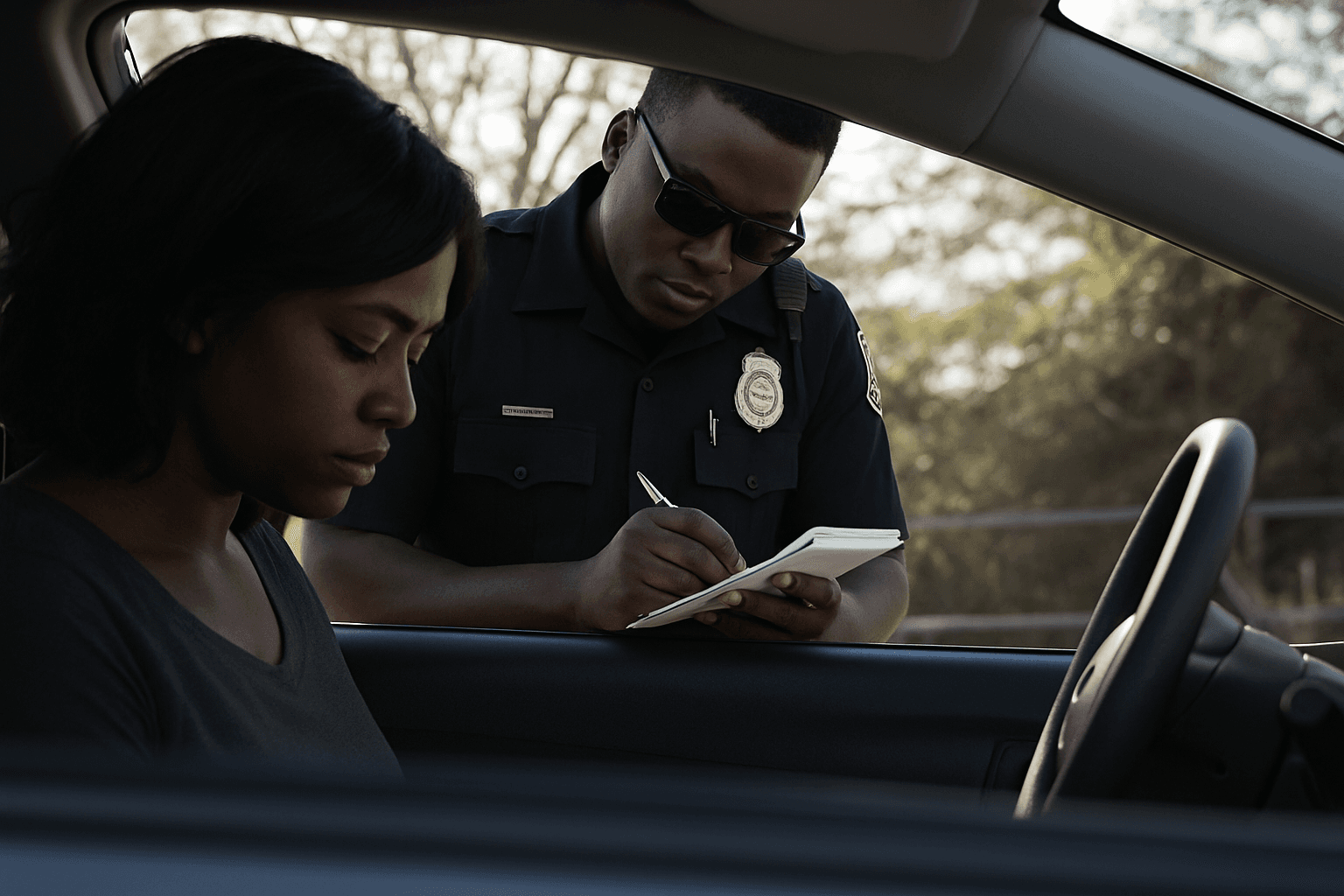
For DUI-triggered suspensions, the cost sequence is: $125 DMV restricted license application fee, $70–$150 ignition interlock device installation (one-time), $60–$90 per month IID lease for the duration of the restricted period (typically 12 months for first offenses), SR-22 filing fee from your carrier (typically $15–$50), and the premium increase on your underlying auto insurance policy. SR-22 itself is not insurance — it is a certificate your carrier files with the DMV proving you carry at least California's minimum liability limits of $15,000 per person, $30,000 per accident bodily injury, and $5,000 property damage. Carriers writing high-risk SR-22 policies for student drivers include Geico, Progressive, Dairyland, Bristol West, The General, and Acceptance Insurance. Monthly premiums for SR-22 liability coverage in California typically range $85–$175 for drivers under 25 with a DUI on record.
Negligent operator and uninsured driving suspensions skip the IID requirement but still require SR-22 filing in most cases. The cost stack drops to $125 DMV fee plus SR-22 filing fee plus the premium increase. Students who already carry insurance on a parent's family policy should ask the parent's carrier whether adding an SR-22 endorsement to the existing policy costs less than switching to a non-standard carrier. Many standard carriers including State Farm and Farmers will file SR-22 for existing customers at lower cost than starting a new non-standard policy elsewhere.
Related Articles



How to Apply for a California Restricted License with School Documentation
The DMV requires proof of enrollment and your current class schedule as part of the restricted license application. Community colleges and universities provide official enrollment verification letters through the registrar's office — request one that states your name, student ID, current enrollment status, and the term you are enrolled for. Attach a copy of your class schedule showing course names, meeting days, and class times. High school students provide a letter from the attendance office or principal confirming enrollment and a copy of their schedule.
For DUI cases, you must also provide proof of DUI program enrollment. California requires completion of a state-licensed DUI education program before reinstatement — 3-month programs for wet reckless convictions, 9-month programs for standard first-offense DUI, and 18-month programs for second offenses or high-BAC first offenses. The program provider gives you an enrollment confirmation letter showing your start date and the program length. The DMV will not issue a restricted license without this proof.
Submit the application in person at any DMV field office or by mail to the address on your suspension notice. Processing typically takes 5–10 business days when submitted in person, longer by mail. The restricted license is issued as an amendment to your existing driver license — you receive a paper temporary restricted license valid for 90 days while the DMV processes the permanent card. Carry the temporary license, your proof of SR-22 filing, and your IID installation certificate if applicable whenever you drive.
California SR-22 Filing Duration
3 years
SR-22 must be maintained for three years from the restricted license issue date for DUI-triggered suspensions. If your carrier cancels the SR-22 or you let the underlying insurance policy lapse, the DMV re-suspends your license immediately and the three-year clock resets when you refile.
California Vehicle Code §16070
Why IID Costs Less Than Missing a Semester
A 12-month IID lease at $75 per month costs $900 total. California community college tuition for full-time enrollment runs approximately $1,200–$1,500 per year for residents — one semester is $600–$750. If you drop classes after the refund deadline to avoid the restricted license cost, you lose the tuition you already paid and delay graduation by one semester. Delayed graduation means delayed income. A California community college graduate entering the workforce earns approximately $35,000–$45,000 annually in entry-level positions. Delaying that income by six months costs $17,500–$22,500 in foregone earnings.
The cost comparison favors the restricted license in every scenario where dropping out delays graduation. Students attending vocational or trade programs face even steeper opportunity costs — welding certifications, HVAC licenses, and nursing assistant programs have fixed cohort start dates. Missing your cohort start often means waiting 6–12 months for the next opening, which costs more in lost time than the entire restricted license cost stack including IID.
Finding the Cheapest SR-22 Carrier Writing California Student Policies
Carriers price SR-22 policies differently for student drivers. Age, violation type, and whether you live with parents all affect the premium. Students under 21 with DUI suspensions pay higher base rates than students over 21 with negligent operator suspensions. Non-standard carriers including Acceptance Insurance, Bristol West, and The General specialize in high-risk student policies and often quote lower premiums than standard carriers for drivers with recent violations. Progressive and Geico write SR-22 policies for students but reserve their lowest rates for drivers over 25.
Request quotes from at least three carriers before choosing. Premium differences of $40–$80 per month are common between the highest and lowest quotes for the same coverage. If you live with parents and they agree to add you to their family policy with an SR-22 endorsement, that option sometimes costs less than starting your own non-owner SR-22 policy, but only if the parent's carrier will file SR-22 for a listed driver with a DUI or negligent operator record. Many standard carriers refuse. Compare the cost of staying on the family policy with SR-22 endorsement against the cost of starting a separate non-owner SR-22 policy through a non-standard carrier.