
The Documentation Gap That Stops Most Applications
You submitted your California restricted license application with a registrar letter confirming enrollment at your community college or trade school. The DMV sent it back incomplete. The letter proved you're a student, but it didn't include the specific building addresses where your classes meet or the exact days and times you need to be on campus. Without those details, the DMV cannot verify that your proposed driving routes and hours match actual educational necessity.
California restricted licenses for school purposes work differently than standard hardship licenses in other states. The DMV evaluates school-driving applications under the same framework used for employment and DUI treatment programs: you must document the specific times and locations that require driving, not just the fact that you have a general need to travel. Most students discover this only after their first application is rejected and the $125 reissue fee is already paid.
Compare car insurance rates in your state
Get quotes from licensed carriers — no obligation, no spam, results in minutes.
Get Your Free QuoteCA Restricted License Fee
$125
California charges $125 for restricted license reissue under Vehicle Code §14904. This fee is non-refundable—incomplete documentation wastes the filing fee, and resubmission requires paying again.
California Vehicle Code §14904
What California Actually Requires for School Documentation
The DMV requires a letter from your school's registrar or attendance office that includes your full name, enrollment status, the specific courses you are taking, and—critically—the campus building addresses and room numbers where each class meets. It must also state the days of the week and clock times for each class session. If your program includes lab hours, clinical rotations, or mandatory study sessions, those need separate documentation with their own addresses and schedules.
Generic enrollment verification letters do not meet this standard. The registrar's office typically produces a one-paragraph letter confirming you are a full-time or part-time student enrolled for the current term. That letter is sufficient for financial aid or employer verification, but it does not contain the route-specific details the DMV needs to approve restricted driving privileges.
You need to request a detailed schedule letter specifically for DMV restricted license purposes. Most registrars will accommodate this if you explain what you need: a document that lists each course by name, location (building name or number plus room), meeting days (Monday/Wednesday, Tuesday/Thursday, etc.), and start/end times. Some schools produce this automatically when you print an official class schedule through the student portal. Others require you to submit a formal request through the registrar's office, which can take 3-5 business days.
The DMV will not issue a restricted license without documentation proving you need to drive to specific places at specific times. Enrollment status alone does not establish driving necessity.
How to Request the Right Documentation from Your School
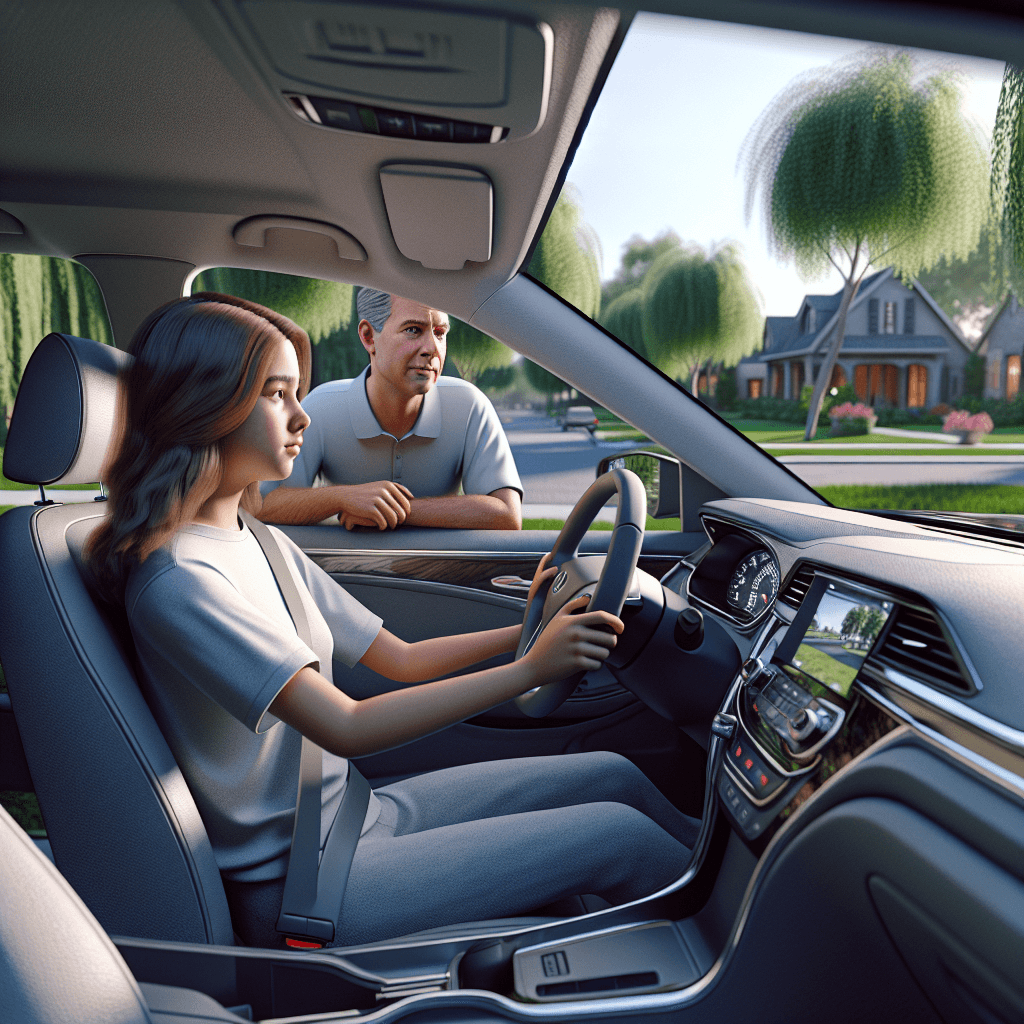
Start by contacting your school's registrar office or student services department. Explain that you are applying for a California restricted driver's license and the DMV requires documentation showing your class schedule with building addresses and meeting times. Ask if the school has a standard form or template for DMV restricted license applications. Some community colleges and trade schools in California keep these templates on file because they receive the request frequently from suspended students.
If no template exists, provide the registrar with a list of exactly what needs to appear in the letter: your full legal name as it appears on your license, confirmation of current enrollment, a list of enrolled courses with course codes, the campus building name or number and room for each class, the days of the week each class meets, and the start and end times for each session. Request that the letter be printed on school letterhead, signed by the registrar or an authorized official, and dated within 30 days of your DMV application submission. The DMV will reject letters older than 30 days from the date you file.
Related Articles
SR-22 Filing and Ignition Interlock Requirements
If your suspension was triggered by a DUI, you must file SR-22 insurance and install an ignition interlock device before the DMV will issue a restricted license for any purpose, including school driving. The SR-22 must remain active for 3 years from the date the restricted license is issued. If you let your SR-22 lapse at any point during that period, the DMV will immediately re-suspend your driving privileges and you will need to restart the entire restricted license application process.
For DUI-related suspensions, California requires the ignition interlock device under Vehicle Code §13353.3 as a condition of obtaining a restricted license. You cannot bypass this requirement by arguing that your driving is limited to school purposes. The IID installation must be completed and verified by a state-certified vendor before the DMV processes your application. IID installation costs typically range from $70 to $150, with monthly monitoring fees of $60 to $80.
If your suspension was caused by negligent operator point accumulation or uninsured driving, SR-22 filing is still required in most cases, but the ignition interlock device is not. The DMV evaluates SR-22 requirements based on the underlying violation that triggered suspension. Check your suspension notice or contact the DMV to confirm whether SR-22 applies to your case before purchasing coverage.
CA SR-22 Filing Duration
3 years
California requires SR-22 insurance maintained continuously for 3 years after a DUI-related restricted license is issued. Any lapse triggers immediate re-suspension, and reinstatement requires restarting the 3-year period from zero.
California Vehicle Code §16070
Route and Time Restrictions Under School-Purpose Restricted Licenses
California restricted licenses for school purposes limit your driving to direct travel between your residence and the campus locations documented in your registrar letter, during the hours necessary to attend class. The DMV does not issue a physical list of approved routes—your approved driving scope is defined by the schedule and addresses you submitted. If you are stopped while driving outside those parameters, the restricted license does not protect you from a charge of driving on a suspended license.
Most restricted licenses allow reasonable buffer time before and after class. If your class starts at 9:00 AM and you leave home at 8:30 AM for a 20-minute commute, that travel falls within the restriction. Stopping for coffee on the way does not. Driving to a friend's house after class to study does not. The restriction is functional and route-specific: you are driving to attend the class documented in your application, and you are taking a direct route between home and campus.
What to Do If You Are Under 18
If you are under 18, California applies additional rules to restricted license applications. Minors must have a parent or legal guardian co-sign the application and provide written consent for the restricted license. The DMV also evaluates minor-driver restricted license applications more strictly—evidence of multiple traffic violations or a DUI conviction as a minor significantly reduces the likelihood of approval, even when school driving is the stated purpose.
Some suspensions that allow restricted licenses for adults do not extend the same option to minor drivers. If your suspension resulted from a zero-tolerance DUI violation under Vehicle Code §23136 (BAC of 0.01% or higher for drivers under 21), the DMV may deny a restricted license application outright regardless of your school-driving need. Parents should contact the DMV directly before paying the $125 application fee to confirm whether minor-driver restricted licenses are available for the specific suspension type your child is facing.