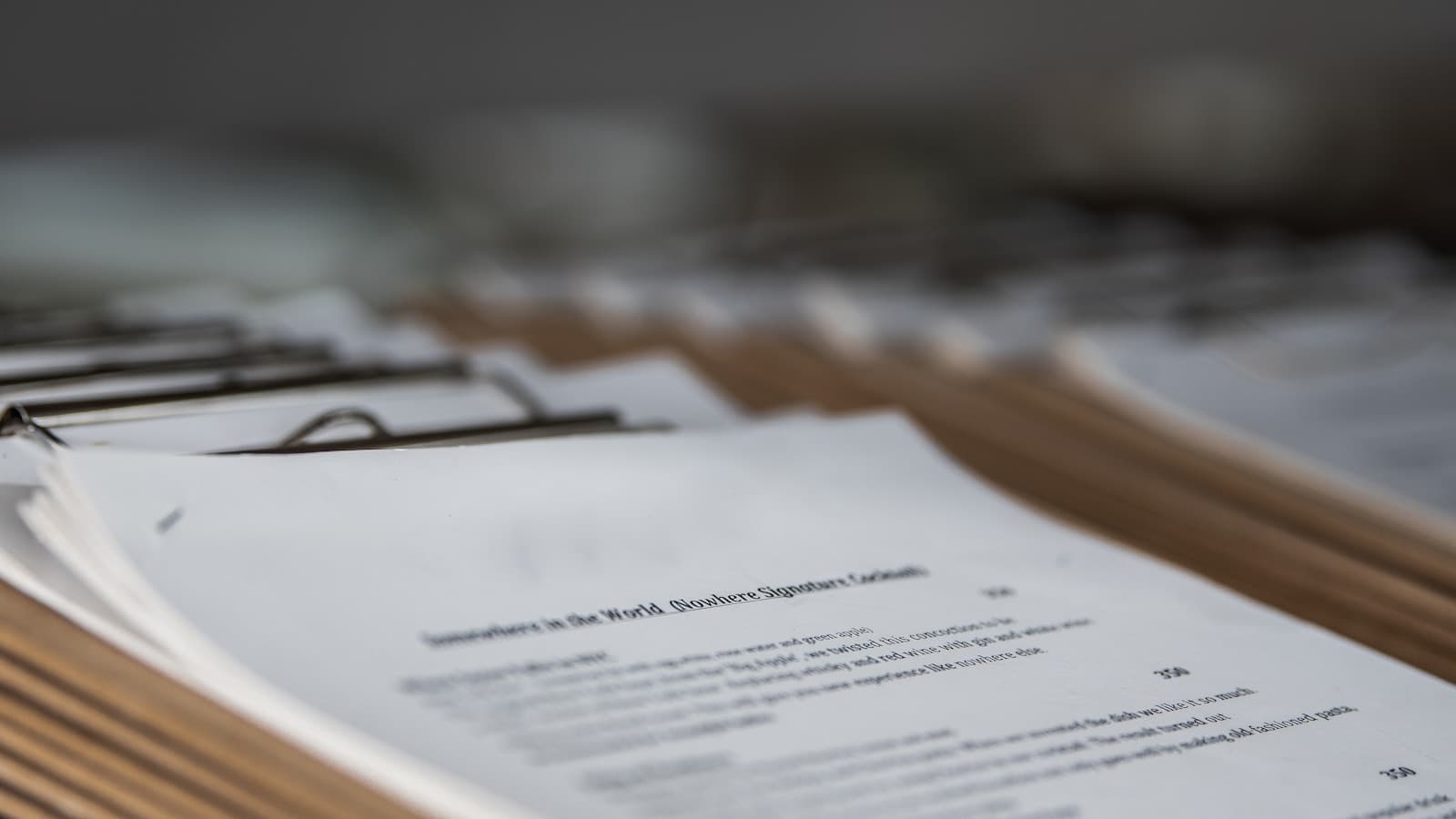
When the School Letter Gets Your Application Rejected
You submitted your hardship license application with a letter from your school's registrar confirming enrollment. The DMV rejected it. The reason: the letter didn't specify your class schedule with building locations, didn't include approved travel routes, or used a generic attendance verification form instead of the state-required hardship documentation template. Your school issued what they thought you needed. The DMV wants something different.
The gap between what schools routinely provide and what hardship applications require causes more application failures than any other documentation issue. Most registrars hand out enrollment verification letters designed for scholarship applications or employer requests. Those letters confirm you're enrolled. They don't confirm the state-specific details a hardship application demands: class meeting times with campus building addresses, reasonable direct routes from home to campus, and enrollment status tied to the suspension period you're requesting coverage for.
Compare car insurance rates in your state
Get quotes from licensed carriers — no obligation, no spam, results in minutes.
Get Your Free QuoteSchool Documentation Components
4 required elements
Hardship applications require enrollment verification, class schedule with meeting times and building locations, route documentation from home address to campus, and registrar signature with office contact information. Generic attendance letters typically include only the first element.
State DMV hardship license application requirements, multi-state comparison
What the DMV Actually Needs From Your School
The hardship application doesn't just verify you're a student. It verifies you need to drive to specific campus locations at specific times, following specific routes the state can enforce if you violate your restricted license terms. That's why the registrar's standard enrollment letter fails. It confirms status but not necessity.
Your school documentation must contain four elements. First: official enrollment verification on school letterhead with current semester or term dates. Second: your class schedule showing course names, meeting days, meeting times, and building locations or room numbers. Third: your registered home address and the most direct route from that address to each campus building where classes meet. Fourth: registrar or attendance office signature with printed name, title, office phone number, and date signed. The signature proves the school verified the information and will confirm it if the DMV calls to check.
Most schools provide elements one and two automatically. The route documentation is where applications fail. The DMV needs written confirmation that you live at a specific address and must travel to campus buildings at specific times. The registrar doesn't assume route necessity. You must request it explicitly, and the school must state it explicitly on the verification letter.
Generic enrollment letters confirm you're a student. Hardship applications require route-necessity documentation proving you must drive to campus at approved times from a verified home address.
How to Request the Correct Documentation

Bring three items: your completed hardship application form showing the school-purposes section, a printed copy of your current class schedule from the student portal, and a written statement of your home address with the most direct driving route to each campus building where you have classes. Hand all three to the registrar. Say you need official documentation for a restricted driver's license application and the state requires verification of enrollment, class schedule with building locations, and route necessity from your home address. Most registrars will ask if a standard enrollment letter works. Say no. Show them the application form fields where route and schedule details are required.
The registrar will either fill out the state form directly or write a separate letter covering the required elements. Either works if it includes all four components. If your state provides a specific school verification form as part of the hardship application packet, use that form exclusively. If no state form exists, ask the registrar to write the letter on school letterhead including your full legal name as it appears on your license, your student ID number, current enrollment status, the semester or term dates you're enrolled for, your complete class schedule with days and times and building names or room numbers, your home address, the statement that you must travel from that address to campus for classes, and their signature with contact information. Do not leave the office until you confirm all four elements are present.
Related Articles


State-Specific School Documentation Rules
Texas hardship license applications allow school purposes under the state's Occupational Driver License program. The application requires a letter from the school on official letterhead verifying enrollment and class schedule. Texas does not provide a standard school verification form. The registrar writes the letter covering enrollment dates, class meeting times, and campus location. If you're under 18, the parent or legal guardian who signed your original license application must also sign the hardship application consenting to restricted school driving.
Georgia's Limited Driving Permit allows school-related driving for students enrolled in high school, technical school, or college. The application requires school verification on letterhead confirming enrollment, class schedule, and the specific hours you need to drive to and from campus. Georgia's DDS processes hardship applications at the county level. Some counties require the school letter to state that no school-provided transportation is available to you. Ask your county DDS office whether that statement is required before requesting documentation from the registrar.
Illinois issues Restricted Driving Permits for multiple purposes including education. The school must complete a specific verification section within the RDP application form. Generic letters do not satisfy the requirement. The form asks for school name, address, your enrollment status, class days and times, and whether the school provides transportation you could use instead of driving. The school official signing the form must include their title and phone number. If you're under 18, your parent must also sign acknowledging the restricted driving terms.
Typical School Letter Processing
15-20 business days
Registrars process non-standard documentation requests more slowly than routine enrollment verifications. During peak periods at semester start or end, requests requiring custom letters with route details can take 15-20 business days. Request documentation immediately after your suspension notice arrives.
College registrar processing timelines, community college administrative offices
When Schools Refuse or Delay Documentation
Some registrars say they cannot verify route necessity because the school doesn't track where students live or how they travel to campus. This is a misunderstanding of what the letter requires. The registrar is not verifying that driving is your only option. They are verifying that you are enrolled, that you have classes at specific times in specific buildings, and that your registered home address is the address you provided. You are the one stating route necessity by including it in the hardship application. The school is confirming the underlying facts that make your statement plausible.
If the registrar refuses, ask to speak with the attendance office, the dean of students office, or the financial aid office. Financial aid staff routinely write verification letters for outside agencies and understand non-standard documentation requests better than front-desk registrar staff. Bring the same three items: the hardship application form, your printed class schedule, and your written route statement. Explain that the state requires school confirmation of your enrollment and class schedule for a legal proceeding. Do not frame it as optional or as a favor. This is required documentation for a government application.
What Happens After You Submit the Documentation
The DMV reviews your hardship application including the school documentation. If the letter contains all required elements, the application moves to the eligibility review stage where the DMV evaluates whether your suspension trigger and driving record qualify you for restricted driving. School-purposes eligibility is broad in most states, but the underlying suspension cause determines whether you qualify. DUI suspensions often require a waiting period before hardship eligibility begins. Unpaid ticket suspensions require proof of payment or a payment plan before the DMV considers the application.
If the school documentation is missing required elements, the DMV issues a deficiency notice asking you to resubmit corrected documentation. This adds 10-20 business days to your application timeline. If you're already past your suspension start date, those extra weeks mean additional time without legal driving privileges. Confirm the school letter includes enrollment verification, complete class schedule with building locations, route statement, and registrar signature before you submit the application. One incomplete letter costs you three weeks.
Submit Documentation With Your Full Application Packet
Do not submit the school letter separately from the rest of your hardship application. The DMV processes complete applications. Partial submissions sit in incomplete status until all required documentation arrives, and processing timelines reset when the final piece is received. Gather the school verification letter, proof of insurance or SR-22 filing if your suspension trigger requires it, payment for the hardship application fee, and any court or probation documentation the application form lists as required for your suspension type. Submit everything together in one packet. If your state allows online hardship applications, scan the school letter and upload it with the application form in the same session. Incomplete applications do not hold your place in the processing queue.