When Vocational Training Blocks Your Career Path
You enrolled in a vocational program — welding certification, HVAC tech, medical assistant, CDL training — and two weeks before classes start, your license was suspended. The program requires daily attendance at a campus 20 miles from your home. No public transit runs that route. Missing more than three sessions triggers automatic program dismissal, and you already paid the $2,400 tuition deposit.
Most states allow hardship licenses for education purposes, and vocational training falls under that category. The pathway exists. The documentation load is heavier than work-permit applications, and the approval window is narrow. Courts treat vocational training the same as community college enrollment: approved hours cover class attendance and reasonable travel buffer, but the registrar verification letter must document specific elements most vocational program offices have never been asked to provide.
Compare car insurance rates in your state
Get quotes from licensed carriers — no obligation, no spam, results in minutes.
Get Your Free QuoteHardship Application Fee
$75–$200
This is the court or DMV filing fee before you reach the insurance phase. Texas occupational licenses cost $10 judicial filing fee; Georgia limited permits cost $25; Illinois restricted driving permits cost $50 administrative fee plus $30 court filing. Processing takes 2-4 weeks in most states.
State DMV administrative fee schedules
What Vocational Training Actually Qualifies
States define education-purposes hardship driving broadly: any accredited program leading to a certification, license, or degree. This includes community college vocational tracks, standalone trade schools, apprenticeship programs with classroom components, and professional certification courses. Online-only programs do not qualify because no commute exists. Hybrid programs qualify only for the in-person session days documented in the class schedule.
The court evaluates necessity. If your program offers evening sections and you applied for a morning-class hardship, the petition fails. If public transit runs within half a mile of campus and operates during your class hours, many judges deny on accessibility grounds. If you live on campus or within reasonable walking distance, no commute hardship exists. The approved driving window covers campus arrival 30-60 minutes before class start, departure immediately after class end, and direct-route travel only.
Programs requiring off-site clinical hours, job shadows, or externship placements create a second documentation layer. Each site needs a separate letter confirming your schedule, and the hardship order must list every approved location. Missing one site from the original petition means you cannot legally drive there even if it is program-required.
Registrar letters missing class meeting times, specific campus building addresses, or program completion dates void 40% of vocational training hardship petitions at judicial review.
Three Documents Courts Require Before Approval

First: registrar verification letter on official letterhead. This letter must state your full legal name as it appears on your suspended license, confirm current enrollment in the specific program by name, list the program's physical campus address including building names where your classes meet, provide your complete class schedule with days of the week and clock-time start/end for every session, and state the program's anticipated completion date. Generic enrollment confirmation letters do not suffice. The registrar or program director must sign the letter personally; administrative assistant signatures are rejected in most jurisdictions.
Second: proof of suspension and the specific restriction or revocation order from your state DMV. Courts need the document showing what triggered your suspension, the effective date, the duration, and any reinstatement conditions already imposed. Third: proof of residence showing the distance between your home address and the campus address listed in the registrar letter. Lease agreements, utility bills, or mortgage statements dated within 60 days work. The court calculates whether your commute distance justifies hardship approval; applications showing under 5 miles face heightened scrutiny unless no transit alternative exists.
Related Articles





SR-22 Filing Depends on What Triggered Suspension
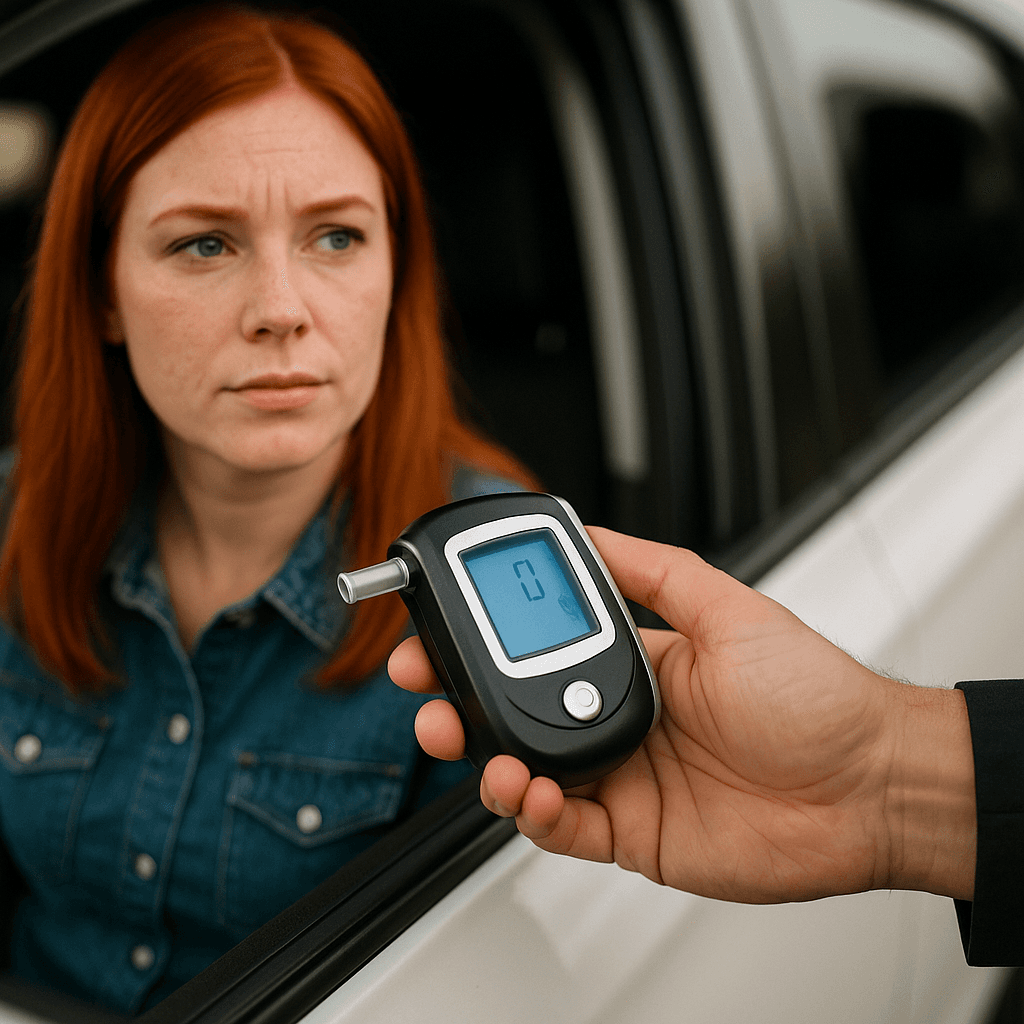
Whether you need SR-22 insurance for your vocational training hardship license depends entirely on the violation that caused your suspension, not the fact that you are seeking education-purposes driving. DUI, DWI, reckless driving, and uninsured-at-the-time-of-accident suspensions typically mandate SR-22 filing before reinstatement or hardship approval. Points accumulation without an at-fault accident often does not require SR-22. Failure-to-appear, unpaid tickets, and child support suspensions rarely trigger SR-22 requirements.
If SR-22 is required for your violation, you must file before the court approves your hardship petition in most states. Texas requires SR-22 for all occupational license holders regardless of suspension cause. Virginia and Florida require FR-44 filing instead of SR-22 for DUI-triggered suspensions. The filing adds $15-$50 to your premium each month on top of the base policy cost. Non-owner SR-22 policies cost $40-$90/month for liability-only coverage when you do not own a vehicle but need proof of financial responsibility to satisfy the hardship license requirement.
If your suspension does not require SR-22 and you already own a vehicle with active insurance, inform your carrier that you now hold a restricted license. Some carriers require a restricted-license endorsement on your existing policy. Driving outside your approved vocational training hours or routes voids your hardship license and converts any accident during unauthorized driving into an uninsured incident even if your policy is active.
Typical Approval Timeline
3-8 weeks
From filing your completed petition to receiving the court-signed hardship order and presenting it to DMV for restricted license issuance. Illinois RDP hearings require 3-4 weeks advance notice; Georgia limited permit processing averages 10-15 business days; Texas occupational license petitions are heard within 2 weeks if filed in the correct county court. Late filings that arrive after your program start date leave you without legal driving for the gap period.
State DMV processing windows
What Happens If You Drive Outside Approved Hours
Hardship licenses are court orders with criminal penalties for violation. Driving outside your approved class schedule, taking a non-direct route to campus, or making any stop not explicitly listed in the hardship order converts your restricted license into an invalid one. If you are pulled over during unauthorized driving, you face driving-while-suspended charges as if you had no license at all. Your hardship license is revoked immediately, and most states impose a mandatory additional suspension period on top of your original suspension length.
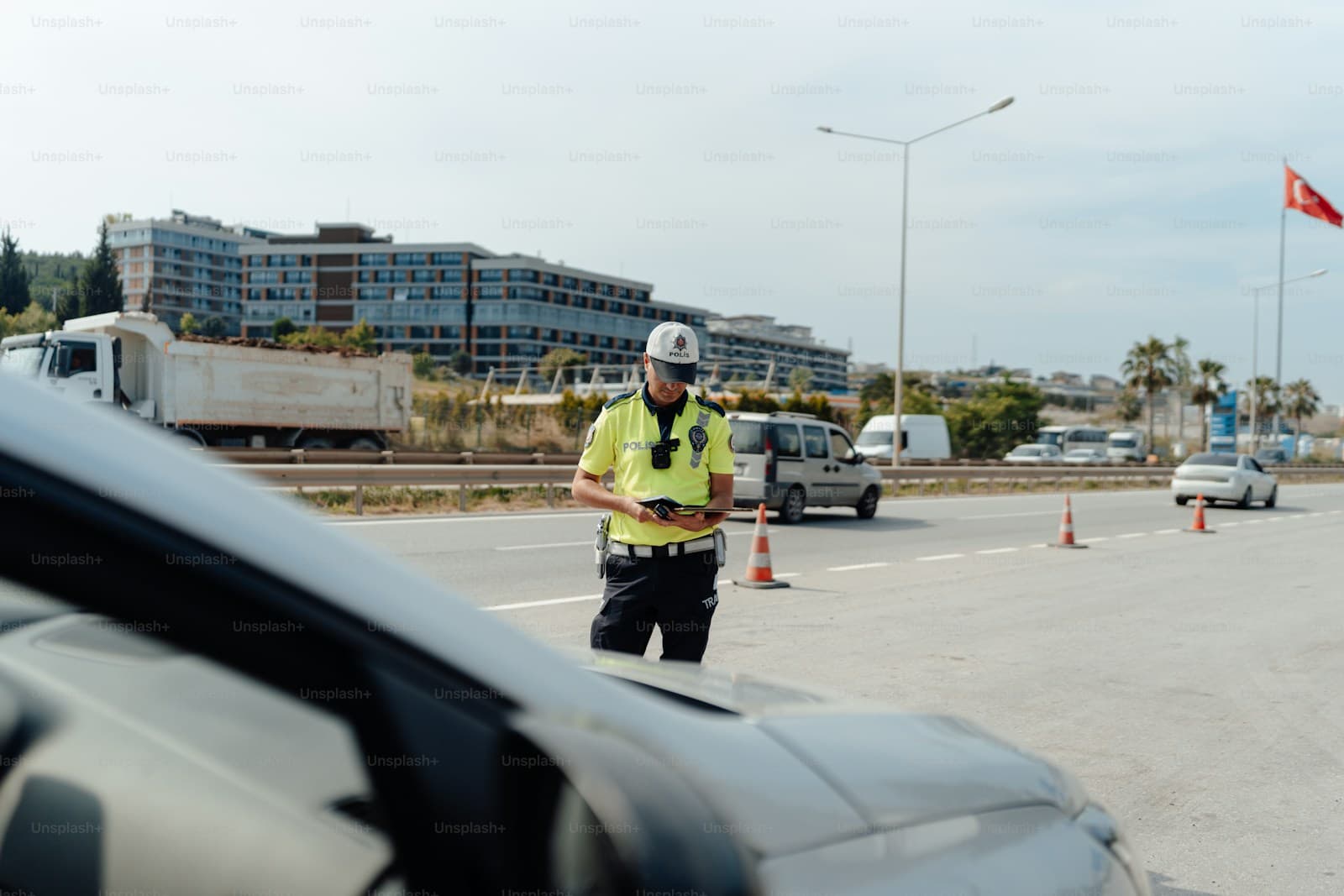
Traffic stops during approved hours require you to carry three documents: the hardship license itself, the court order specifying your approved routes and times, and your current class schedule proving the stop occurred during a permitted window. Officers verify the time and location against your documentation. Approved hours typically include a 30-60 minute buffer before class start and immediate departure after class end, but stopping for gas, groceries, or any errand not listed in the order is a violation even if it occurs during the time window.
Cost Stack: Application, Equipment, and Insurance
Vocational training hardship licenses carry three separate cost layers most applicants do not anticipate until mid-application. First: the hardship application fee, which ranges from $10 in Texas to $200 in states requiring both court filing and DMV administrative processing. This fee is non-refundable even if your petition is denied. Second: ignition interlock device installation and monthly monitoring fees if your suspension was DUI-triggered. IID costs run $70-$150 for installation plus $60-$90/month for monitoring and calibration. Not all states require IID for education-purposes hardship, but Virginia, Arizona, and Washington mandate it for any alcohol-related suspension even if you are only driving to vocational classes.
Third: insurance premium increase or new SR-22 policy cost. If you are under 21 and adding SR-22 to a parent's existing family policy, expect the policy premium to increase $150-$300/month. Non-owner SR-22 policies for students without a vehicle cost $40-$90/month. The SR-22 filing fee itself is a one-time $15-$50 charge, but the premium impact lasts the entire filing period — typically 3 years from your conviction or suspension date. Total first-year cost for a DUI-triggered vocational training hardship license in a state requiring IID and SR-22: $2,800-$4,500 before tuition.
File Two Weeks Before Your Program Starts
Courts process hardship petitions on a hearing schedule, not on-demand. If your vocational program starts January 15 and you file your petition January 10, you miss the semester. Most states require 2-4 weeks advance notice for hardship hearings. Illinois restricted driving permit hearings require formal notice filed 21 days before the hearing date. Georgia limited permit applications are processed administratively in 10-15 business days but require complete documentation on first submission; incomplete packets restart the clock.
Gather your registrar verification letter, proof of suspension, and proof of residence before you file. Call the court clerk in the county where you were convicted or where you reside — jurisdiction varies by state — and ask what their current hardship hearing backlog is. If they are scheduling 4 weeks out, file your petition 5 weeks before your program starts. Missing the filing window means you lose the deposit, the semester, and in many cases the program slot itself since vocational certifications have strict attendance policies that do not accommodate late enrollment.