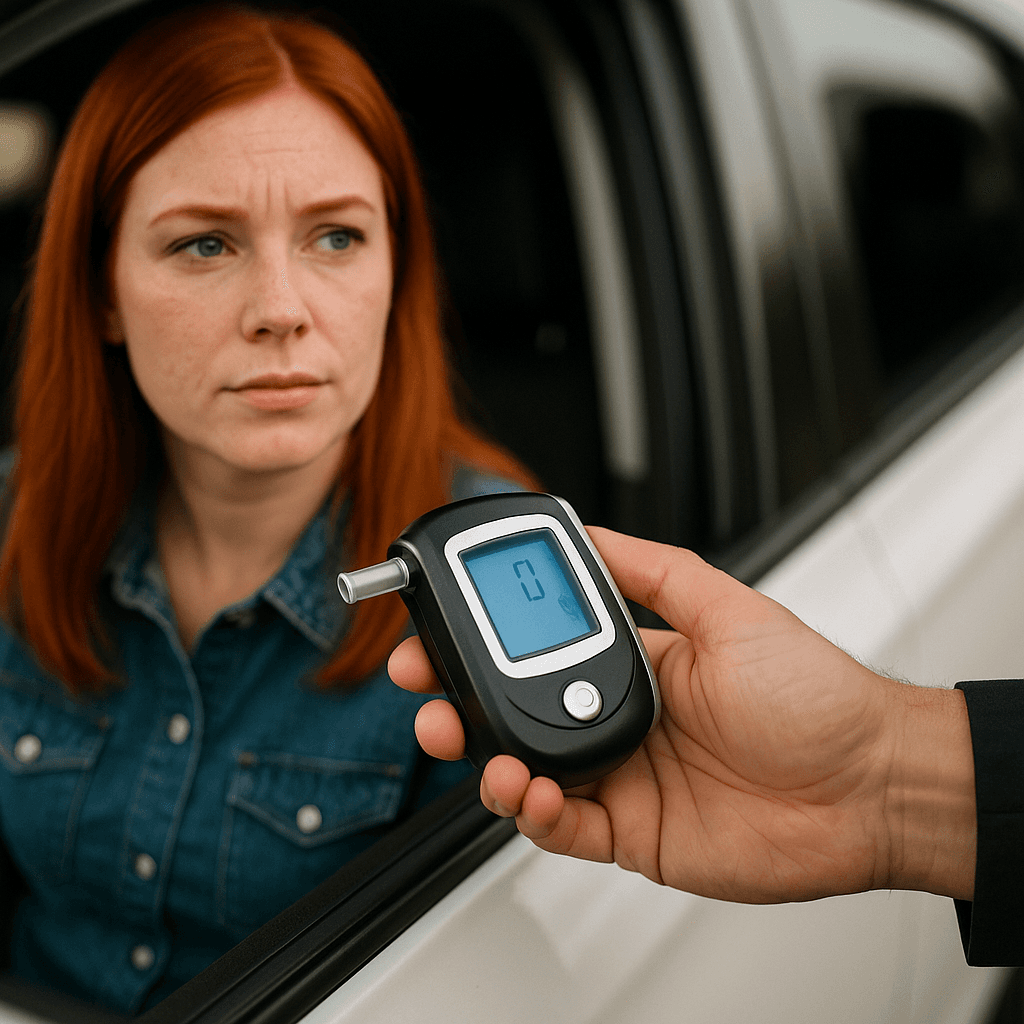
The Court Ordered Treatment You Cannot Reach
The judge mandated alcohol treatment three evenings per week as a condition of probation. Your license is suspended for the same DUI that triggered the treatment order. The treatment center is 14 miles from your home and public transit does not run past 6 PM. Missing sessions violates probation and eliminates any chance at early reinstatement or hardship approval.
Most states allow restricted driving to court-ordered treatment under hardship or occupational license programs. The catch: treatment-driving eligibility sits in different administrative categories depending on your state—some classify it as medical-rehabilitation, others bundle it under employment-related purposes, and a few require separate judicial approval beyond the standard hardship petition. Applying under the wrong category gets your petition denied before you reach a hearing.
Compare car insurance rates in your state
Get quotes from licensed carriers — no obligation, no spam, results in minutes.
Get Your Free QuoteTreatment Hardship Processing Window
15–45 days
Most states process treatment-related hardship petitions within 15 to 45 days of filing, but the clock does not start until documentation from your treatment provider arrives at the licensing agency. Incomplete provider verification extends processing by weeks.
State DMV hardship application procedures, 2024
Treatment Driving Falls Under Medical-Rehabilitation Hardship
Court-ordered alcohol treatment qualifies as a medical-rehabilitation purpose in the majority of states that offer hardship licenses. Texas classifies treatment driving under its Occupational Driver License medical-rehabilitation category. Georgia's Limited Driving Permit explicitly includes substance abuse treatment as an approved purpose. Missouri's Limited Driving Privilege allows driving to court-mandated counseling sessions.
The distinction matters because medical-rehabilitation hardship petitions carry different documentation requirements than employment hardship. Employment hardship requires employer verification on company letterhead stating work hours, job location, and consequences of job loss. Treatment hardship requires provider verification documenting the court mandate, session schedule, treatment facility address, and your enrollment status. Submitting employer documentation when the state expects medical-rehabilitation verification is the most common reason treatment hardship petitions fail at initial review.
A minority of states classify treatment driving differently. California bundles court-ordered programs under its Critical Need to Drive category rather than medical. Ohio's Limited Driving Privileges statute allows occupational purposes but requires judicial discretion to approve treatment-only driving—most Ohio counties treat it as automatic approval when the same court ordered both the suspension and the treatment, but a few require separate motion and hearing.
The state-specific program name and category determine which documentation checklist you follow. Using your state's actual hardship program terminology when you file prevents administrative denials before your petition reaches review.
The court mandate itself strengthens your hardship case, but only if provider documentation explicitly references the court order number and probation terms before you file.
Documentation the State Actually Requires

Provider verification must arrive on treatment facility letterhead signed by the program director or clinical supervisor. The letter must state: your full legal name and date of birth, the court case number that mandated treatment, the sentencing date and probation terms referencing treatment completion, the specific program you are enrolled in, session days and times with start and end times for each session, the facility's street address, and consequences of non-completion. Generic letters confirming enrollment without court-mandate language get rejected at initial administrative review in most states.
The second required document is the court order itself—a certified copy from the clerk showing treatment as a condition of probation or sentencing. Informal probation officer notes or attorney summaries do not qualify. Most states require the clerk's raised seal or electronic certification stamp. Photocopy or smartphone photos of the order are not accepted. Ordering certified copies from the clerk typically costs $5 to $15 per document and takes 3 to 10 business days. Budget this into your filing timeline.
Related Articles






Route and Time Restrictions the Petition Must Address
Hardship licenses approve specific routes during specific hours. Most states restrict treatment-driving approval to direct routes between your residence and the treatment facility during session hours plus a 60-minute travel buffer before and after each session. Stops for gas, food, or errands on treatment nights are prohibited unless you file for additional purposes in the same petition.
The travel buffer varies by state. Texas allows one hour before and after each session. Georgia allows 30 minutes each direction. Ohio leaves buffer determination to judicial discretion—most judges approve 60 minutes but a few limit it to 30 when the facility is within 10 miles of your residence. If your treatment schedule includes back-to-back evening sessions three nights per week, your approved driving window might cover 5 PM to 10 PM on Mondays, Wednesdays, and Fridays only. Driving to the same facility on an unapproved day violates your hardship terms even if you are attending a makeup session your counselor authorized.
The petition form requires you to list every approved route with street names and intermediate turns. Vague descriptions like "home to treatment center via main roads" get rejected. The licensing agency expects: your residence address, the facility address, and the specific route you will drive written as turn-by-turn directions. If construction or detours force a route change after approval, most states require amended petition filing—you cannot unilaterally change your route even temporarily.
Hardship violations for treatment driving are prosecuted aggressively because they overlap with probation violations. Getting stopped outside your approved hours or off your approved route triggers both a hardship revocation and a probation violation report to the court. The probation violation can add jail time and extend your full suspension period beyond the original term.
Non-Owner SR-22 Annual Premium
$900–$1,400/year
DUI-triggered suspensions require SR-22 filing in most states even when you do not own a vehicle. Non-owner SR-22 policies cost substantially less than standard owner policies because they cover liability only when you drive borrowed or rental vehicles, not collision or comprehensive on a specific car.
Industry rate data for high-risk liability policies, 2024
SR-22 Filing Sits on Top of Hardship Approval
DUI suspensions trigger SR-22 filing requirements in most states. The hardship license allows you to drive to treatment, but the SR-22 filing proves to the DMV that you carry liability insurance meeting state minimums. The two requirements are separate: hardship approval does not waive SR-22, and SR-22 filing does not grant driving privileges—you need both.
If you do not own a vehicle and will borrow a family member's car or use a carpool arrangement to reach treatment, you need a non-owner SR-22 policy. Non-owner policies cost $900 to $1,400 per year for most DUI filers and cover your liability when driving vehicles you do not own. If you own a vehicle, you need a standard SR-22 policy attached to that vehicle. Standard SR-22 policies for DUI suspensions cost $2,200 to $3,800 per year depending on your state, age, and prior coverage history. Estimates based on available industry data; individual rates vary by driving history, vehicle, coverage selections, and location.
The SR-22 filing must be active before your hardship license effective date. Most states require the SR-22 on file at least 10 days before hardship approval. Carriers typically process SR-22 filings within 1 to 3 business days of policy binding, but the filing must reach the state's electronic system before your hardship start date or your approval is void. Binding coverage the day before your hearing is too late in most states.
What to Do Right Now
Order a certified copy of your court order from the clerk showing treatment as a probation condition. Request provider verification on letterhead from your treatment program director documenting the court mandate, session schedule, and facility address. Contact your state DMV or visit their website to download the medical-rehabilitation hardship petition form—use your state's actual program name, not generic "hardship license" terminology. If your suspension was DUI-triggered, get SR-22 quotes from carriers writing high-risk policies in your state; non-owner SR-22 is the correct product if you will borrow vehicles to reach treatment. File your petition with all required documentation attached and proof of SR-22 filing at least 30 days before your next scheduled treatment session to allow processing time. Missing treatment sessions while waiting for approval violates probation in most states—budget the full processing window into your timeline.