The Court Order Creates Your Window
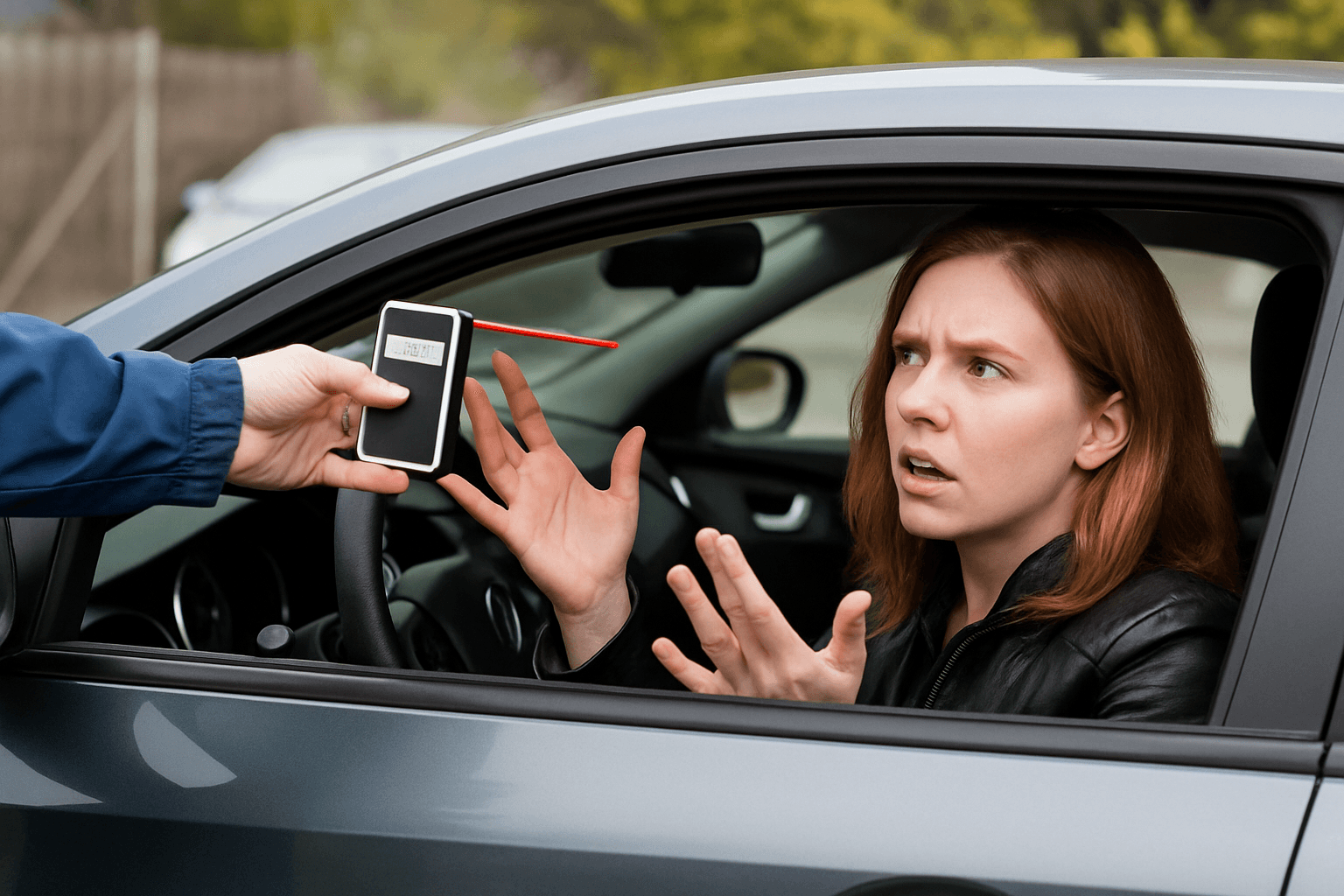
Your license was suspended for DUI and your court order mandates weekly outpatient treatment starting in eight days. You live 14 miles from the treatment facility and no public transit runs that route. Missing sessions violates probation terms, but driving on a suspended license is a separate criminal charge. This is the catch-22 most DUI defendants face the week after sentencing.
The court-ordered treatment mandate itself creates hardship eligibility in most states. Treatment-purposes driving qualifies under medical or rehabilitation hardship categories alongside employment and school. But the application path requires specific documentation from your treatment provider before your first session — not after you have already started attending. Most courts hand you a treatment referral sheet without explaining that the same document becomes the centerpiece of your hardship application.
Compare car insurance rates in your state
Get quotes from licensed carriers — no obligation, no spam, results in minutes.
Get Your Free QuoteTypical Hardship Processing Window
10-14 days
Most states process hardship applications within two weeks of filing, but court hearings in judicial-review states add another 7-10 days. If your treatment starts before your hardship approval, you face exposure driving to every session until the restricted license arrives.
State DMV administrative procedure timelines, 2024
Treatment-Purposes Hardship Rules Vary By Suspension Type
DUI suspensions trigger treatment-purposes eligibility automatically because the court mandate ties directly to the underlying offense. Your treatment is a rehabilitation requirement, not elective counseling. States frame this under medical hardship, occupational hardship (where occupational includes court-ordered activities), or limited driving privileges with approved purposes including treatment.
Non-DUI suspensions face different rules. If your license was suspended for points accumulation, unpaid tickets, or failure to appear, and you are separately enrolled in voluntary counseling for substance use, that counseling does not automatically qualify for hardship driving in most states. The court mandate matters. Voluntary treatment does not carry the same hardship weight unless your state explicitly lists medical appointments as an approved purpose regardless of court involvement.
SR-22 filing sits on top of the hardship application for most DUI suspensions. The court may not mention SR-22 at sentencing, but your state DMV requires it before issuing any restricted license for alcohol-related offenses. You file SR-22 through an insurance carrier, not the court or DMV. The SR-22 certificate proves you carry liability coverage at state-mandated minimums. Without it, your hardship application stalls even if the court approved your petition.
Most hardship denials happen because the treatment provider letter is missing specific session times and facility addresses. Courts issue referrals; providers must document the recurring schedule.
Documentation the Provider Must Supply

Request a formal treatment schedule letter on provider letterhead before your intake appointment. The letter must state: your full name, the court case number tied to your mandate, the facility street address where sessions occur, the specific days and times of each weekly or biweekly session, and the anticipated program duration. Generic letters confirming enrollment are insufficient. DMV wants proof of a recurring schedule so hearing officers can define your approved driving window. If your program includes group sessions Tuesdays at 6 PM and individual sessions Thursdays at 4 PM, the letter must list both with exact times.
Some states require the provider to confirm that missing sessions constitutes a probation violation. If your state uses judicial hardship petitions rather than administrative DMV applications, attach the provider letter to your court petition as an exhibit. Judges grant treatment-purposes driving more readily when the mandate is recent and the consequence of non-compliance is jail time. Adult students returning to community college or vocational programs often stack treatment and school purposes on the same hardship application, which doubles the documentation load but strengthens the case that losing driving access derails multiple life-stabilization efforts simultaneously.
Related Articles




How Approved Hours and Routes Work
Hardship licenses restrict you to specific purposes, times, and sometimes routes. For treatment-purposes driving, your approved window typically includes the session time plus a 30-minute buffer before and after to account for travel. If your session runs 6 PM to 7 PM and you live 20 minutes away, your approved window is roughly 5:30 PM to 7:30 PM on session days. Driving outside that window for any reason violates your restriction terms and triggers automatic revocation in most states.
Route restrictions depend on state rules. Some states require you to take the most direct route between your residence and the treatment facility with no stops. Others allow brief stops for fuel or emergencies but define emergency narrowly. Getting pulled over at 6:45 PM two miles from the treatment facility is defensible. Getting pulled over at 8 PM ten miles in the opposite direction is not. Officers run your license during traffic stops and see the restricted status immediately. Most states treat restriction violations as driving on a suspended license, which adds another suspension period on top of your existing one and disqualifies you from reapplying for hardship relief.
If your treatment program changes locations mid-term or reschedules your session time, notify your DMV or court within the timeframe your state specifies. Most states require amendments within 10 days of any schedule change. Driving to a new facility address without updating your hardship terms is a violation even if the program itself is continuous.
SR-22 Premium Add for DUI Filers
$800-$1,400/year
SR-22 filing itself costs $15-$50 depending on carrier, but the high-risk classification that triggers SR-22 requirement raises your liability premium by 60-120 percent in most states. Non-owner SR-22 policies run cheaper if you do not own a vehicle and only need coverage for hardship driving.
State insurance department rate filings, 2024
Ignition Interlock Overlaps Treatment Driving
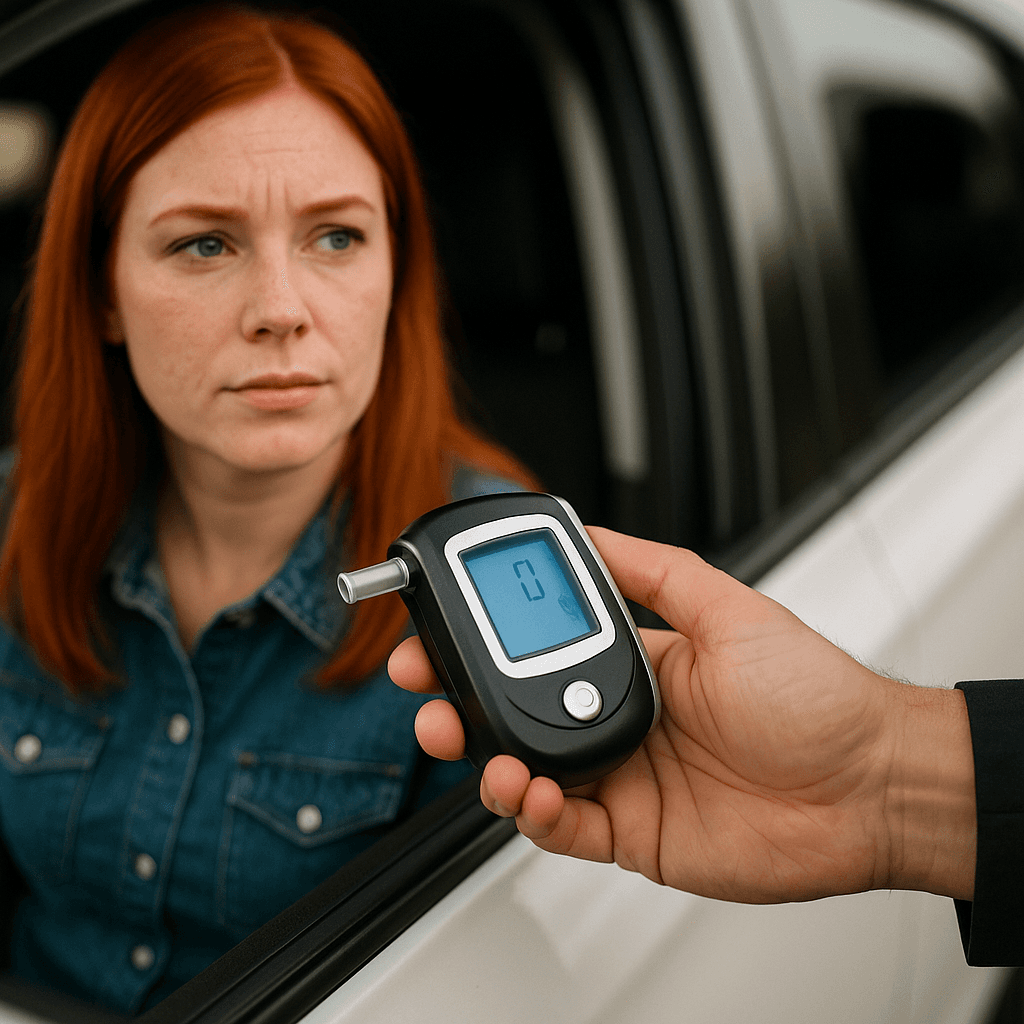
Many states require ignition interlock devices for DUI-triggered hardship licenses regardless of BAC level or prior offenses. The IID is a separate mandate from SR-22 filing. You install the device in any vehicle you drive, pay monthly monitoring fees, and submit to random retests while the engine is running. If your treatment facility is 20 minutes away, you may face a rolling retest halfway through the drive.
IID costs stack on top of hardship application fees and SR-22 premiums. Installation runs $70-$150, monthly monitoring fees run $60-$90, and removal after your suspension ends costs another $50-$100. Budget for $1,000-$1,500 over a one-year IID term. Some states waive IID requirements for first-time offenders with low BAC results, but most apply IID mandates broadly to all restricted licenses issued during DUI suspensions. Check your state's IID rules before assuming you qualify for a waiver.
Apply Before Treatment Starts, Not After
File your hardship application the same week you receive your court order and treatment referral. Processing takes 10-14 days in administrative states and up to four weeks in judicial-petition states where a hearing is required. Waiting until after treatment starts leaves you exposed during every session commute. Judges and hearing officers look more favorably on applications filed proactively than on applications filed after the defendant has already been driving illegally out of necessity.
If your treatment start date falls before your hardship approval, ask your probation officer whether you can delay intake by two weeks without violating your court order. Many judges allow brief delays when the reason is administrative. Driving on a fully suspended license to attend court-ordered treatment does not create an affirmative defense in most states. You can be convicted of driving on a suspended license even if the reason was probation compliance. Document every step: save the provider letter, the hardship application receipt, and any correspondence with your probation officer. If you are charged with a restriction violation later, this documentation proves good-faith effort to comply with both the suspension and the treatment mandate. Compare SR-22 insurance options before your hardship hearing so you can file the certificate immediately after approval.